
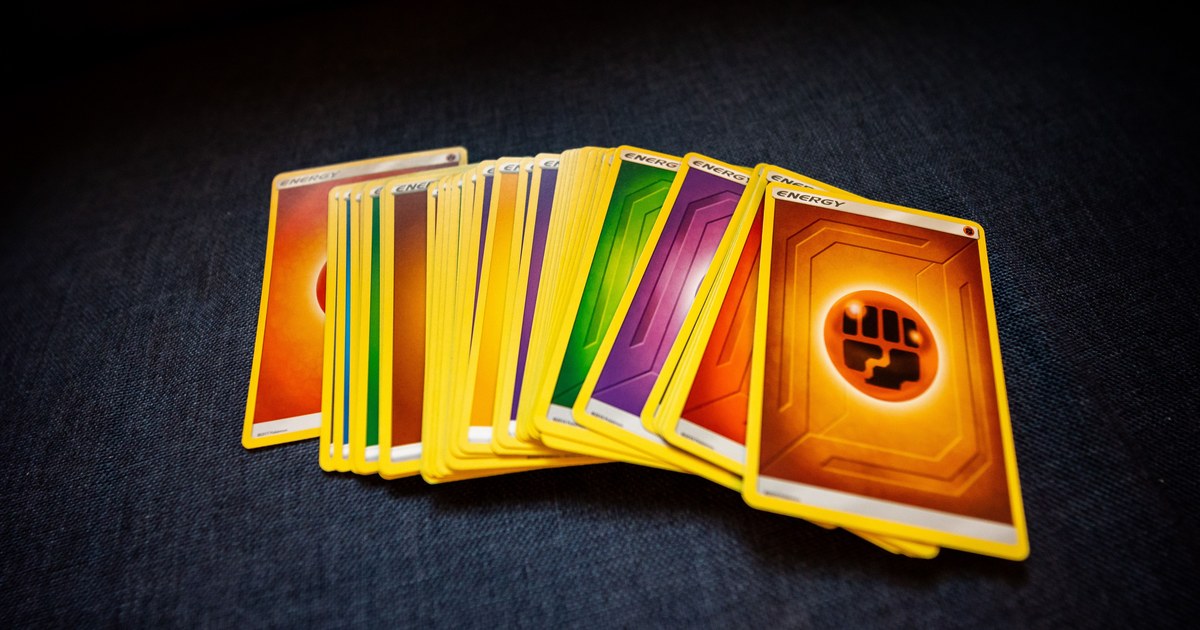
You opened a pack and something came out that looks nothing like the rest: a comic-book explosion, a cartoon cityscape, a burst of colour. Someone in the group chat says “that’s a case hit,” and suddenly the card feels like a lottery ticket. It might be a very good pull. Whether it is valuable depends on two things the phrase “case hit” does not tell you: which insert it actually is, and who is on it.
A case hit is an insert, autograph, or special card that appears on average about once per sealed case of a product, rather than once per box or pack. A case usually holds somewhere between 6 and 20 boxes. Case hits are scarce by design, but their value still depends on the player: a star’s case hit can sell for thousands, and a lesser player’s for far less.
What is a case hit, exactly?
Manufacturers sell product in boxes, and boxes are packed into sealed cases. Most inserts are seeded so that a box contains several. A case hit is seeded so rarely that, on average, only about one turns up per case, which is how Figoca and Sports Illustrated both define it. Figoca notes that a case typically contains anywhere from 6 to 20 boxes, depending on the product.
“On average” is doing a lot of work. Some cases contain one, some contain two, and some contain none. Sports Illustrated points out the knock-on effect for group breaks and case buyers: once the case hit comes out, the remaining boxes from that case are widely treated as less valuable, because the big chase has already been found.
Case hits sit near the top of a scarcity ladder that also includes short prints and numbered parallels. If you want the rest of that ladder, our guides to short print cards and parallel cards cover the rungs below.
Which inserts count as case hits?
The best-known modern case hits are Panini inserts with loud, instantly recognizable designs. Cardlines’ guide to case hits and its insert-specific guides describe these:
- Downtown. Players set against illustrated cityscapes. Cardlines describes it as starting out as a case hit, one per hobby case. In football it has run in Donruss and Donruss Optic; basketball and baseball versions have come from other Panini products. Cardlines also notes Panini has not released a print run for it.
- Kaboom! A comic-book style insert that has run in Panini basketball, football, and soccer products.
- Color Blast. First released in 2019 Prizm, where it was advertised at about one in every 10 cases, per Cardlines, which notes Panini later stopped giving a specific ratio.
- Stained Glass. A design modelled on stained-glass windows, found in several Panini products.
The list changes every season as new inserts launch and old ones retire, and odds change from product to product even for the same insert. So “Downtown” in one product is not necessarily the same rarity as “Downtown” in another.
How do you confirm you pulled a case hit?
Start with the odds. Pack odds are often printed on the wrapper, the box, or published online, according to Sports Illustrated’s guide to ripping odds, which singles out Topps for listing odds for every major release on an official page. Panini is less consistent: Cardlines notes it has not released a print run for Downtown and stopped giving a specific ratio for Color Blast. Search the exact product name, year, and insert name together, and read the odds sheet for that product.
Then confirm the card itself. Check the back for the card number and insert set name, and compare the front against verified images of the same insert from the same product and year. Case hits are counterfeited because they are valuable and visually distinctive, so a raw case hit from an unfamiliar seller deserves the same care as any high-value card. If it is graded, check the slab with our guide to PSA cert verification.
Also note what a case hit is not. A shiny parallel, even a scarce one, is a different kind of card, and it is easy to mistake one for the other in the excitement of a pull. Our Silver Prizm guide shows how to tell parallels apart under a lamp.
What is a case hit worth?
It follows the player first and the insert second. Sports Illustrated’s May 2025 price check on case hits for the NBA’s conference finalists shows the range for genuine stars:
- Anthony Edwards 2020 One and One Downtown rookie, PSA 10: last sold at $13,000.
- Anthony Edwards 2020 Crown Royale Kaboom! rookie, PSA 10: last sold at $8,923.
- Tyrese Haliburton 2020 One and One Downtown rookie, PSA 10: last sold at $4,000.
- Jalen Brunson 2023 One and One Downtown, PSA 10: last sold at $2,425.
- Tyrese Haliburton 2023 Spectra Color Blast, PSA 10: last sold at $1,463.
These are real sales of specific star cards, not prices for the card you pulled: every one is a star or a rising star, graded PSA 10, at a moment when his team was in the conference finals. Where SI also listed a raw sale for the same card, it was lower than the PSA 10 every time. And a case hit of a role player comes out of the same packs at the same odds without anything like the same demand. The insert makes the card scarce; the player decides whether anyone is waiting to buy it.
Is it worth buying boxes to chase a case hit?
Honestly, almost never, if the case hit is the goal. A sealed 12-box hobby case of 2023 Panini Donruss Optic Football was listed at $6,449.95 on Giant Sports Cards when we checked in September 2026. That money buys, on average, around one case hit, with no control over which player it is. Buying the single card you want, from someone who already pulled it, is nearly always cheaper than ripping for it.
Ripping is fun, and that is a perfectly good reason to do it. It is just not an investment strategy, which we cover in more depth in whether sports cards are a good investment.
Pulled something loud? Identify it first
The first thing to settle is what the card actually is: which insert, which product, which year, and whether it is a parallel of that insert. RookieScan reads that from a photo, along with the player and card number, judges condition, and gives a market-based range for that exact card, so a role player’s Downtown is not priced like a star’s. The approach behind the numbers is explained at what is my sports card worth.
Then sleeve it, top load it, and check sold prices for that player before you decide anything.
Sources
- What is a case hit?, Sports Illustrated
- What Is a Case Hit in Sports Cards? (Simple Explanation), Figoca
- The Ultimate Guide To Case Hits, Cardlines
- A Guide To Downtown Inserts, Cardlines
- Ultimate Color Blast Insert Guide, Cardlines
- What Are the Odds? A Collector's Guide to Ripping Packs, Sports Illustrated
- Downtown, Kaboom, and Color Blast Prices of Conference Final NBA Teams, Sports Illustrated
- 2023 Panini Donruss Optic Football Hobby 12-Box Case, Giant Sports Cards