
You are about to buy a graded card, or you just inherited one, and the only thing standing between you and a four-figure mistake is a number printed on a label. PSA cert verification is the first check everyone runs, and it is a good one. It is also the check scammers have planned around, which is why the lookup is where your inspection starts rather than where it ends.
PSA cert verification means typing the certification number from a PSA label into PSA’s free online lookup and confirming the record matches the slab in your hand: player, year, set, card number, and grade, plus PSA’s scan images when they exist. A match proves the number is real. It does not prove the card inside is the card PSA graded.
Everything that follows is about closing that gap: running the lookup properly, knowing what a real match has to include, and recognizing the frauds that pass a lookup anyway.
How do you do a PSA cert verification?
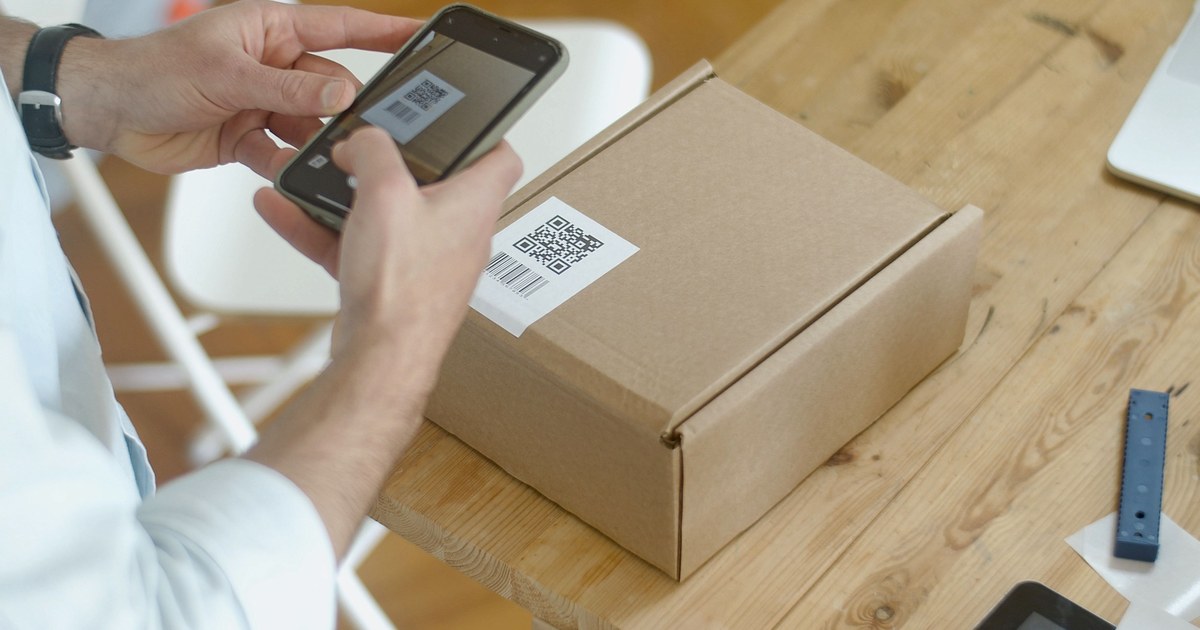
Find the certification number. On a PSA slab it is printed on the front label alongside the grade, and newer labels also carry a QR code that links straight to the record, per PreGradeCards’ guide to reading PSA labels. Then enter the number at PSA’s cert verification page. The lookup is free and does not need an account, according to Figoca’s walkthrough of the tool.
The record that comes back shows what PSA says it graded under that number: the year, set, card number, player, any variation, and the grade. For many modern submissions it also shows front and back images captured when the card was graded, which Figoca notes appear when available. PSA’s mobile app also includes a scanning tool, which is handy at a card show where typing numbers on a phone is slow.
Most people stop there. The record loaded, the grade matched, done. That is the mistake.
What should a PSA cert lookup match exactly?
Treat the record as a description you are checking the slab against, line by line.
- Player and card number. A cert number that returns a different player is an instant fail, but so is the right player with the wrong card number, which can mean a cheaper card from the same set sitting in the case.
- Set and year, including the variation. A base card and its parallel share a player, a year, and often a number. The record says which one PSA graded. If the lookup says base and the slab looks like a refractor or a numbered parallel, something is wrong. Our guide to parallel cards explains why that one word is worth so much.
- Grade. The grade on the label must match the grade on the record exactly, including any qualifier. For what each grade means and why one point matters so much, see PSA 9 vs PSA 10.
- The images, when there are any. This is the check that actually protects you. Compare the card in the slab with PSA’s scan: centering, print marks, corner wear, a surface scratch. Two copies of the same card are never identical. If the centering in your hand is visibly different from the centering in PSA’s image, it is not the same card, no matter what the label says.
If there are no images on the record, you have lost your best comparison, and the rest of this guide matters more.
What does a matching cert number not prove?
A cert number is printed on the outside of the case in plain sight. Anyone can read one from a listing photo and print it onto a counterfeit label, and the lookup will then return a perfectly genuine record that belongs to a different slab. A real record plus a fake slab is the classic way a lookup gets beaten, which is why the image comparison above matters so much.
Real cases show how this works at scale. In January 2026 a federal jury convicted a Washington man in a scheme that removed the original grades and serial numbers from cards and printed counterfeit PSA labels with fabricated grades and certification numbers, then sold the slabs through eBay, card shops, and shows, according to the Monroe County Reporter. FOX 13 Seattle’s report on the 2024 arrests described fake PSA holders on sports cards, including Michael Jordan rookie cards (the genuine article is covered on our Michael Jordan rookie card page), and Pokemon cards. Prosecutors said the scheme tried to take buyers for more than $2 million. A co-defendant pleaded guilty.
Three frauds are worth knowing by name:
- Cloned label. A counterfeit label carrying a real cert number copied from a genuine slab. The lookup passes; the images, if present, will not match.
- Counterfeit label with an invented number. A fake label printed with a made-up grade and cert number. The lookup returns nothing, or a record for a different card or grade.
- Card swap. A genuine case opened and resealed with a lesser copy of the same card inside. The label and lookup both match, and only the card itself gives it away.
How to inspect the slab itself
The case carries its own security features, and they are worth a slow look under good light. PSA added a hologram built into the label paper in April 2015, per Sports Collectors Digest, which quoted PSA’s president describing the hologram as part of the insert label rather than a sticker on top. Tilt the slab and look at it rather than trusting a photo.
Then look at the case as an object. Genuine slabs are sonically sealed and should show no gaps, pry marks, glue residue, or scuffing along the seams where a case would be opened. A label that sits crooked, a font that looks slightly off next to a slab you know is real, or a case that feels lighter or thinner than others in the same era are all reasons to stop.
The best defense is comparison. Put a slab you know is genuine next to the one you are checking, same era of label if possible, and look at them side by side. Differences that are invisible alone become obvious in pairs.
When the stakes are high, verify before you pay
For a cheap slab, the lookup plus a quick look is proportionate. For anything expensive, add friction on purpose: buy through channels with real buyer protection, ask the seller for fresh photos of the actual slab with the cert number visible, and compare those against PSA’s images before money moves. If you are selling, the same logic helps you: listing the cert number and clear photos is what serious buyers will check, as we cover in how to sell sports cards on eBay. Autographed slabs deserve a second layer, covered in our guide to sports card autograph authentication. The other grading companies, BGS, SGC, and CGC, run their own cert lookups, and the same rule applies to each: the number checks the record, and your eyes check the card.
And if the card is raw rather than graded, you are a step earlier. Our walkthrough of how to get sports cards graded covers what happens between a card in a sleeve and a slab with a cert number.
Check the card, not just the number
A lookup checks a record. It cannot look at the card through the plastic, and that is the step RookieScan covers. Photograph the slab and the app reads the card itself, confirming the player, set, year, card number, and parallel, so you can see whether the cardboard agrees with the label and PSA’s record. It also gives a market-based value range for that card at its grade, which tells you when a price is too good to be true. If you are new to valuing graded cards, what is my sports card worth explains how the numbers are built.
Run the lookup, compare the images, inspect the case, then pay.
Sources
- PSA Cert Verification, PSA
- PSA Cert Checker: How to Verify Any PSA Slab Online, Figoca
- How to Read a PSA Certificate Number and Verify Authenticity, PreGradeCards
- PSA Raises Security With Hologram in Holders, Sports Collectors Digest
- Man convicted in nationwide scheme involving fraudulent sports and Pokemon trading card sales, Monroe County Reporter
- Fake Pokemon and sports cards scheme, FOX 13 Seattle