
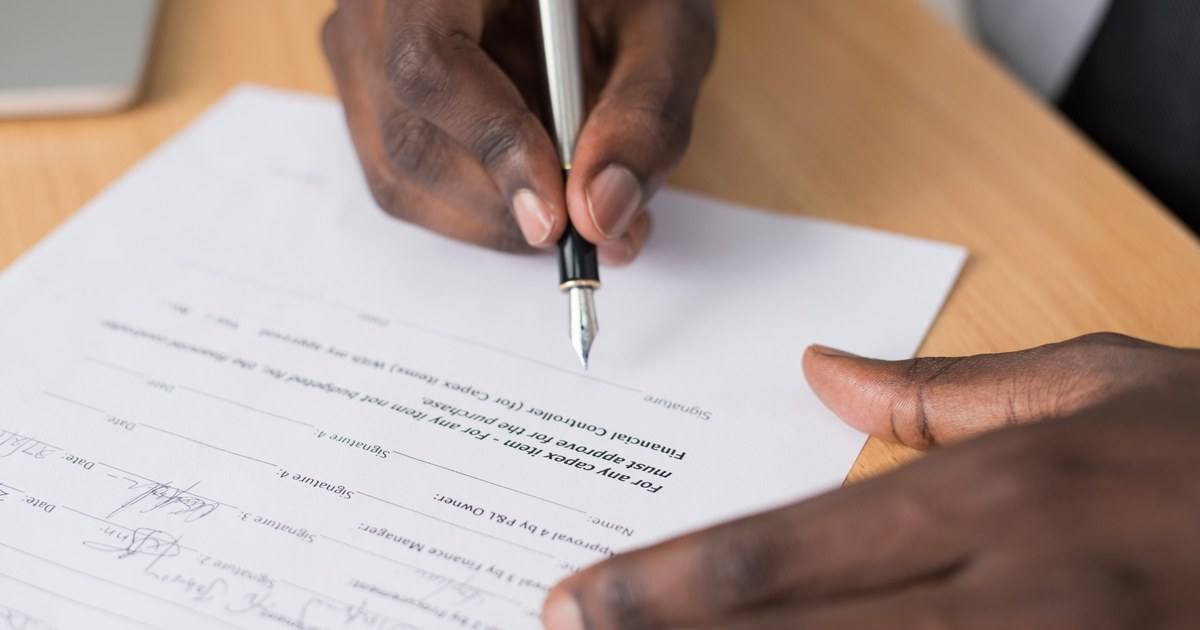
An autograph on a card can multiply its value many times over, which is exactly why sports card autograph authentication exists as its own specialty separate from grading a card’s condition. The short answer: real authentication comes from a third-party service like PSA/DNA or JSA, whose experts examine the ink, compare it against a reference database of verified signatures, and issue a serialized certificate or label you can independently look up, not from a photo, a seller’s word, or a certificate of authenticity printed by whoever sold you the card.
PSA’s process runs about 30 business days once an item is received, with experts examining ink flow, pressure, and letter formation against their own signature database before issuing a result. JSA works similarly and also offers a higher-assurance tier, its Witnessed Protection Program, in which a JSA representative is physically present at the signing itself and certifies they watched it happen, removing signature-comparison guesswork entirely for items signed under that program.
Here is what the process actually checks, and why a card’s condition grade tells you nothing about whether its autograph is real.
Why authentication is separate from grading
A card’s grade, the PSA 9 or PSA 10 you see on a slab, measures centering, corners, edges, and surface. It says nothing about whether an autograph on that card is genuine. Authentication is a completely different examination: experts study the specific way a person forms letters, connects strokes, and applies pressure, comparing the signature in front of them against a large reference set of confirmed real examples from that same person.
This is why a beautifully centered, sharp-cornered card can carry a worthless fake signature, and a rough, well-loved card can carry a fully authenticated one. Buying a slabbed card assumes the grading company also verified the autograph only when the label explicitly says so; a plain grading label with no autograph authentication mark means only the card itself was evaluated.
What the process actually costs and takes
Autograph authentication fees vary by whose signature is on the item, since some athletes have far more counterfeit activity around their signature than others, and PSA maintains a searchable fee schedule by name rather than one flat price. As a rough anchor, single-item submissions have run in the roughly $20 to $30 range for common names, with items carrying a declared value of $1,000 or more subject to an additional charge, and bulk submissions handled separately. Turnaround runs around 30 business days for standard service. Budget for both the fee and the wait before assuming an autographed card is ready to sell or display.
The tells experts look for, and why you cannot replicate them at home
Authenticators are trained to spot the specific failure patterns of forged signatures, patterns that are genuinely hard to see without training and reference material:
- Unnatural pen lifts and hesitation marks. A real signature flows in one continuous motion for most letters; a traced or freehand forgery often shows tiny stops and starts invisible at normal viewing distance.
- Inconsistent pressure and ink flow. Genuine signatures vary pressure naturally as the hand moves; many forgeries show suspiciously even pressure throughout, a sign of slow, careful copying rather than a natural signing motion.
- Letterform drift from verified exemplars. Every person’s handwriting has consistent quirks, specific letter shapes, connections, slant, that experts compare against a large reference library most collectors have no access to.
- Ink and surface interaction. How ink sits on a glossy modern card front versus a vintage matte surface follows predictable patterns; ink that beads, smears, or sits wrong for the card stock is a red flag.
None of this is reliably visible from a listing photo, which is exactly why “signed, with a certificate of authenticity” from an unaccredited source means very little. Only a small number of major services, PSA/DNA, JSA, and a handful of others, carry the reputation and reference libraries the secondary market actually trusts.
Protect yourself before you buy or sell
If you are buying a signed card, verify any claimed certification number directly on the authenticator’s own website rather than trusting a label photo (the steps are in how to verify a PSA cert number); relabeled or reused holders exist for high-value items, a problem we also flag for graded cards without autographs in found a Michael Jordan card. If you already own a signed card with no paperwork, the honest move is to submit it before you price it, since an unauthenticated signature, however convincing it looks, is worth a fraction of a verified one, and buyers know it.
What RookieScan can and cannot tell you here
A photo scan reads the card itself well: the set, card number, parallel, and condition. It cannot authenticate an autograph, and no photo-based tool honestly can; the forensic ink and pressure analysis that real authentication requires needs the physical item in hand. We explain the full boundaries of what a scanner app is built for in what a sports card scanner app can and cannot tell you. Use RookieScan to confirm which card you are holding and get an honest condition and value read, then route anything signed to PSA/DNA or JSA before you buy, sell, or insure it based on the autograph alone.